
 Send Inquiry
Trifluoro acetic Acid
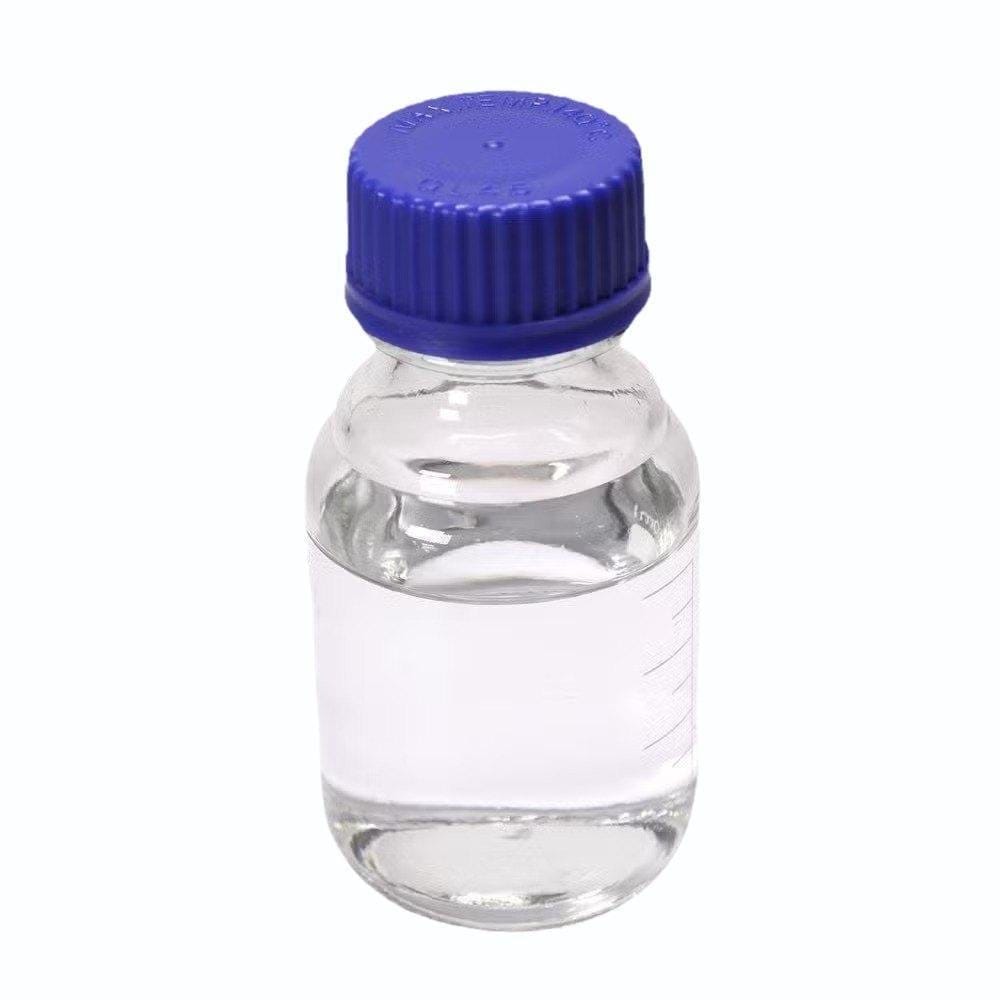

Trifluoro acetic Acid Specification
- Melting Point
- -15.4 C
- Smell
- Pungent, vinegar-like odor
- Storage
- Store in a tightly closed container, in a cool, dry, well-ventilated area, away from incompatible substances
- Structural Formula
- CF3COOH
- Taste
- Extremely sour
- Molecular Weight
- 114.02 g/mol
- Shape
- Liquid
- Density
- 1.489 Gram per cubic centimeter(g/cm3)
- Refractive Rate
- n20/D 1.298
- Ph Level
- pKa 0.23 (strong acid)
- Solubility
- Miscible with water, ethanol, ether, and benzene
- Molecular Formula
- C2HF3O2
- Form
- Clear, colorless liquid
- Poisonous
- Yes
- Other Names
- TFA
- Purity
- 99%
- HS Code
- 29154000
- Boiling point
- 72.4 C
- Classification
- Carboxylic Acid
- Chemical Name
- Trifluoroacetic Acid
- CAS No
- 76-05-1
- EINECS No
- 200-929-3
- Grade
- Analytical Grade / Industrial Grade
- Standard
- Meets analytical and industrial specifications
- Type
- Organic Acid
- Usage
- Laboratory reagent, chemical intermediate, purification processes
- Main Material
- Trifluoroacetic Acid (TFA)
- Application
- Used in organic synthesis, peptide synthesis, and as a solvent
- Non Toxic
- Yes
- Corrosivity
- Highly corrosive to metals and tissue
- Vapor Pressure
- 128 mmHg at 20 C
- Stability
- Stable under recommended storage conditions
- Labeling
- Hazard label: Corrosive, harmful
- Autoignition Temperature
- 530 C
- Incompatibilities
- Strong bases, strong oxidizing agents, reducing agents, cyanides
- Flash Point
- 41 C (closed cup)
- Shelf Life
- 2 years under proper storage conditions
Trifluoro acetic Acid About
a highly versatile organofluorine compound frequently used as a strong acid catalyst, solvent, and reagent in organic synthesis. With a melting point of -15.4 C and boiling point of 72.4 C, it is favored by chemists for easy removal via rotary evaporation.Exceptional Reactivity for Synthesis Processes
Trifluoroacetic Acid stands out for its strong acidity and versatile solubility, making it indispensable in organic and peptide synthesis. Its ability to dissolve in multiple solvents enhances its utility for diverse laboratory and industrial purposes, enabling precise reactions and efficient purification.
Proper Handling and Safe Storage
Given its highly corrosive nature and volatility (vapor pressure: 128 mmHg at 20C), TFA must be stored in a tightly sealed container within a cool, dry, and well-ventilated environment-always separated from incompatible substances. Proper labeling as corrosive and harmful ensures compliance and workplace safety.
FAQ's of Trifluoro acetic Acid:
Q: How should Trifluoroacetic Acid be stored to maintain its shelf life?
A: Store Trifluoroacetic Acid in a tightly closed container within a cool, dry, and well-ventilated area. Avoid exposure to incompatible substances such as strong bases and oxidizers. Under these conditions, TFA has a shelf life of up to 2 years.Q: What processes and applications commonly use Trifluoroacetic Acid?
A: Trifluoroacetic Acid is primarily used as a reagent in organic and peptide synthesis, chemical intermediate, solvent, and for purification processes in laboratory and industrial settings due to its strong acidity and reactivity.Q: When is it necessary to use safety precautions with TFA?
A: Safety precautions are necessary at all times when handling TFA, as it is highly corrosive to metals and tissues, with the potential to cause severe burns. Always use appropriate protective equipment and handle only in well-ventilated areas.Q: Where can Trifluoroacetic Acid be safely utilized?
A: TFA should be used in controlled laboratory or industrial environments with proper ventilation, corrosive-proof containers, and strict adherence to safety protocols to mitigate its harmful effects.Q: What are the benefits of using TFA in chemical synthesis?
A: TFA offers strong acidic properties, high purity, and broad solubility, enabling highly efficient and selective reactions in organic synthesis and peptide manufacturing, which streamlines processes and improves yields.Q: How does the corrosivity of TFA affect its handling and storage?
A: Its high corrosivity requires the use of corrosion-resistant containers and protective gear. Avoid contact with metals and skin, and ensure incompatible chemicals are not stored nearby to prevent hazardous reactions.
Price:
- 50
- 100
- 200
- 250
- 500
- 1000+

More Products in Industrial Chemical Category
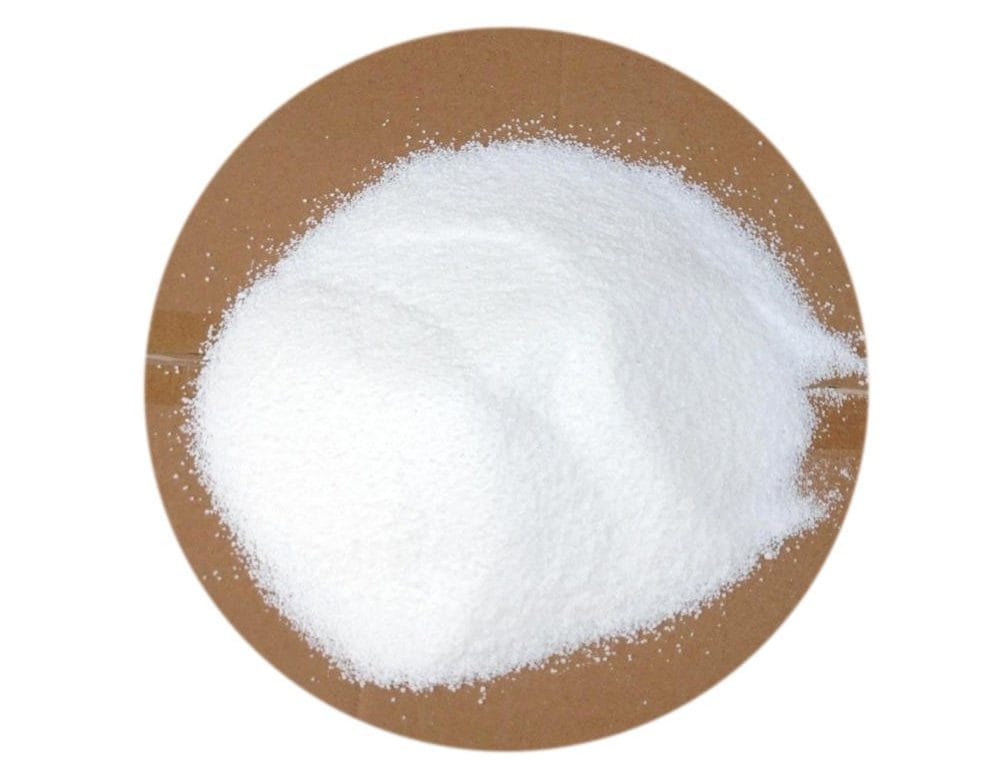
Soda Ash Powder
Price 38.0 INR / Kilograms
Minimum Order Quantity : 300 Kilograms
Grade : Industrial Grade
Purity : 99%
Usage : a versatile white, odorless chemical compound used widely in manufacturing, laundry boosters, and water treatment.
CAS No : 497198.
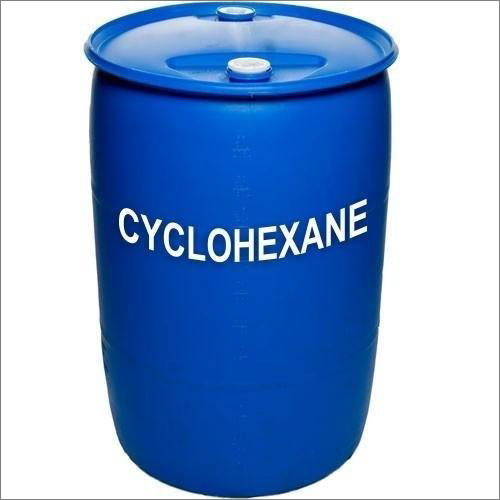
Cyclohexane Chemical
Price 100.0 INR / Kilograms
Minimum Order Quantity : 300 Kilograms
Grade : Industrial Grade
Purity : 99%
Usage : a cycloalkane that appears as a clear, colorless liquid with a mild, detergent or petroleumlike odor. It is heavily used in the chemical industry as a nonpolar solvent and as a primary precursor for manufacturing nylon.
CAS No : 110827
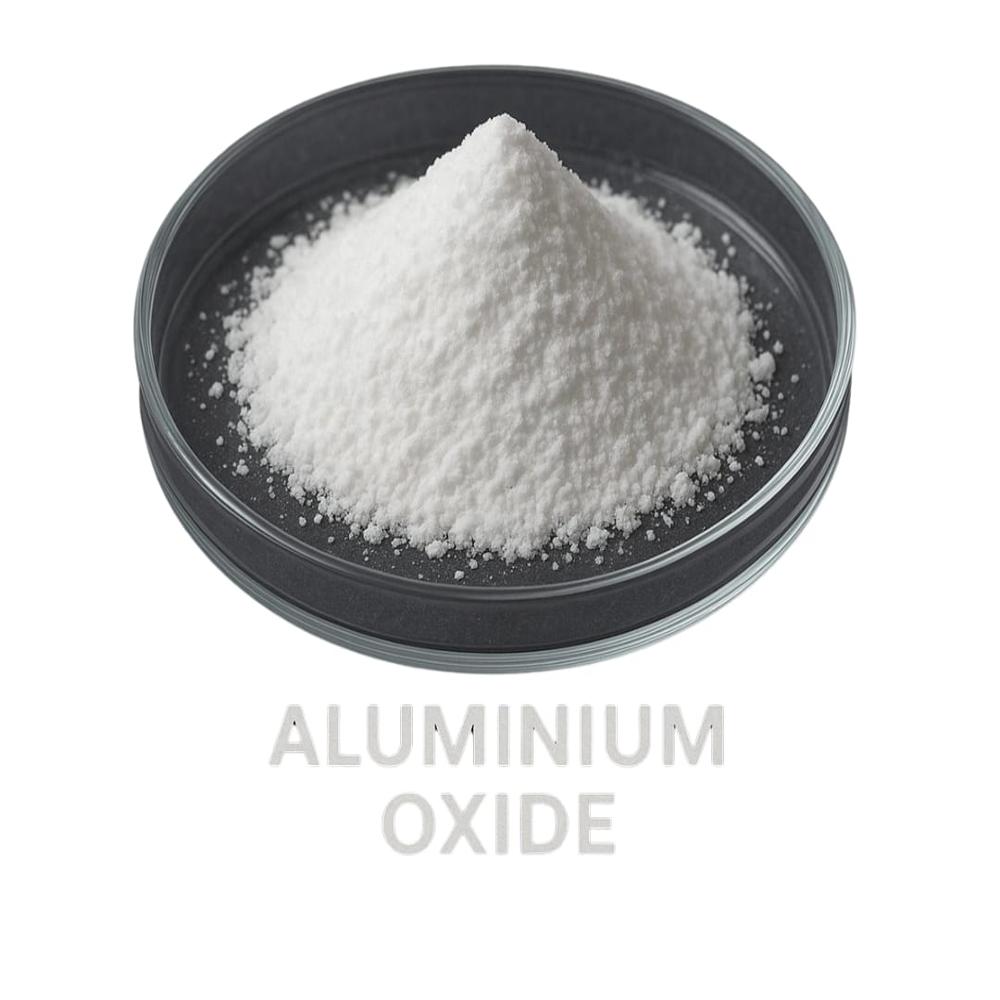
Aluminium Oxide
Price 120.0 INR / Kilograms
Minimum Order Quantity : 200 Kilograms
Grade : Industrial Grade
Purity : 99 %
Usage : a chemical compound with the formula Al O , commonly known as alumina, and it occurs naturally as corundum, rubies, and sapphires.
CAS No : 1344281
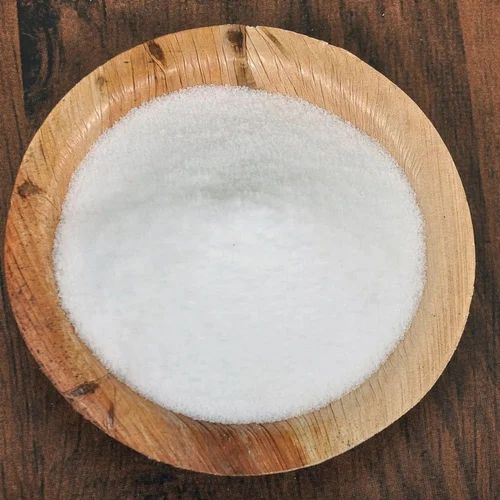
Thi amine Mononitrate
Price 2100.0 INR / Kilograms
Minimum Order Quantity : 300 Kilograms
Grade : Industrial Grade
Purity : 99%
Usage : a stable, watersoluble, synthetic form of Vitamin B1. It is primarily used as a dietary supplement and added to processed foods to fortify or restore nutritional value. The body requires it to convert carbohydrates into usable energy and support nervous system functions.
CAS No : 532434

Developed and Managed by Infocom Network Private Limited.

